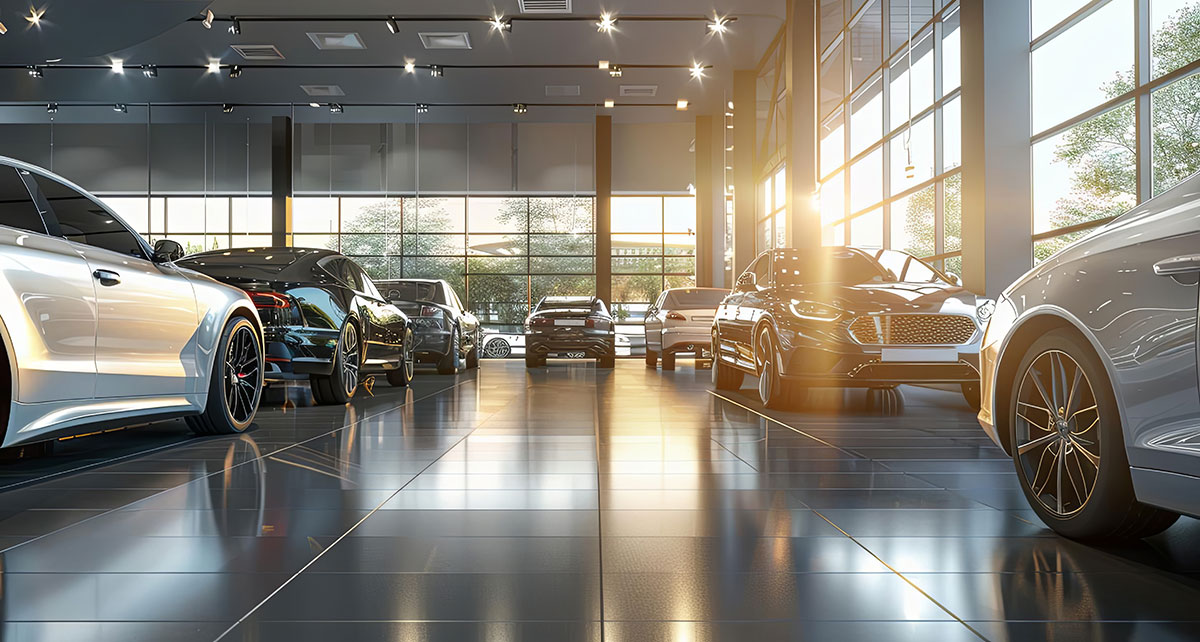
Over the course of my 35-year career in automotive retail, I have witnessed remarkable shifts in how customers approach buying and maintaining vehicles. When I started, car buying was a predominantly in-person experience. Customers came to the showroom, spoke with a salesperson, and completed most of the process face-to-face. Today, consumer behavior has changed dramatically, and dealerships must adapt to meet new expectations.
Understanding these shifts is critical for success. Automotive dealerships are no longer just places to buy cars; they are experience centers, technology hubs, and service providers. Those that embrace these changes are thriving, while those that resist risk losing relevance in an increasingly competitive market.
The Rise of Informed Buyers
One of the most significant changes I have observed is the level of information customers now have before entering a dealership. With the internet, online reviews, and vehicle comparison tools, buyers arrive more informed than ever. They know what they want, how much it should cost, and often, the financing options available to them.
This shift requires dealerships to evolve from being primary sources of information to trusted advisors. Sales teams must focus on understanding the customer’s needs, providing insight, and guiding them through a complex purchasing process. Knowledgeable, transparent, and empathetic interactions have become essential to building trust and closing sales.
Integrating Digital Tools
Digital technology is no longer optional. Online vehicle research, virtual tours, and digital financing tools have transformed the way people interact with dealerships. Customers expect the convenience of browsing inventory online, scheduling test drives, and even initiating parts of the buying process from home.
We have invested heavily in platforms that integrate online and in-person experiences. Customers can start their journey digitally and complete it in-store with minimal friction. Technology allows dealerships to track engagement, personalize communications, and anticipate customer needs, improving satisfaction and efficiency.
Changing Expectations in the Service Department
Consumer behavior has also shifted in service and maintenance. Customers expect transparency, speed, and convenience. Many now prefer scheduling service appointments online, receiving real-time updates on progress, and having access to detailed service histories.
Service departments must adapt by implementing software systems that improve communication and workflow. By providing clear timelines, transparent pricing, and excellent customer care, dealerships can enhance loyalty and encourage repeat business. Service is no longer just a revenue source; it is a critical touchpoint that shapes customer perception of the entire dealership.
Emphasizing the Customer Experience
Today’s buyers value experience as much as price or incentives. They want to feel valued, understood, and respected throughout the purchase process. Dealerships that prioritize customer experience see stronger retention, higher referrals, and increased lifetime value.
Creating a positive experience requires training employees, standardizing processes, and empowering teams to make decisions that benefit the customer. A focus on culture and engagement ensures that every interaction, from sales to service, reflects the dealership’s commitment to excellence.
Responding to Shifts in Vehicle Preferences
Consumer behavior also influences the types of vehicles that are in demand. Trends such as SUVs, trucks, and now electric and hybrid vehicles are reshaping inventory and sales strategies. Dealerships must anticipate shifts in preferences and adjust their stock, marketing, and sales approach accordingly.
This requires robust data analytics, forecasting tools, and strong vendor relationships. By understanding customer demand in real time, dealerships can reduce overstock, improve turnover, and ensure that high-demand vehicles are available when buyers are ready.
The Role of Financing and Ownership Models
Another aspect of changing consumer behavior is how people approach vehicle ownership. Subscription services, leasing, and alternative financing options are becoming more popular. Customers want flexibility, transparency, and value in every transaction.
Dealerships must adapt by offering a range of options and educating staff to explain the benefits and responsibilities of each. Providing tailored solutions builds trust and positions the dealership as a problem solver rather than simply a seller of vehicles.
Building Trust and Loyalty
Adapting to changing consumer behavior is ultimately about building trust and loyalty. Customers have more choices than ever before, and loyalty is earned through consistent, transparent, and value-driven interactions. Dealerships that demonstrate integrity, responsiveness, and a commitment to the customer experience outperform those that rely solely on price or inventory.
Loyalty programs, community engagement, and personalized communication are all tools that strengthen relationships. Customers who feel valued are more likely to return, refer others, and provide positive feedback.
Preparing for the Future
The automotive industry will continue to evolve as technology, mobility solutions, and consumer expectations change. Dealerships that embrace innovation, invest in people, and focus on the customer experience will be best positioned for long-term success.
Understanding customer behavior, integrating digital tools, and maintaining high standards of service and transparency are key. Growth and profitability are attainable when these elements work together in a cohesive strategy that meets the needs of modern consumers.
Conclusion
The evolution of automotive dealerships has been remarkable. From traditional showroom transactions to a technology-driven, customer-focused experience, dealerships must adapt to survive and thrive. Changing consumer behavior requires a shift in mindset, processes, and tools.
Over my career, I have learned that dealerships that embrace these changes, prioritize the customer experience, and invest in culture and technology are the ones that succeed. By understanding and responding to how buyers think, shop, and interact, automotive retailers can build loyalty, drive profitability, and remain relevant in an industry that continues to transform.
Adapting to consumer behavior is not just about keeping up. It is about leading, innovating, and ensuring that every customer interaction reflects the values, quality, and integrity of the dealership network.