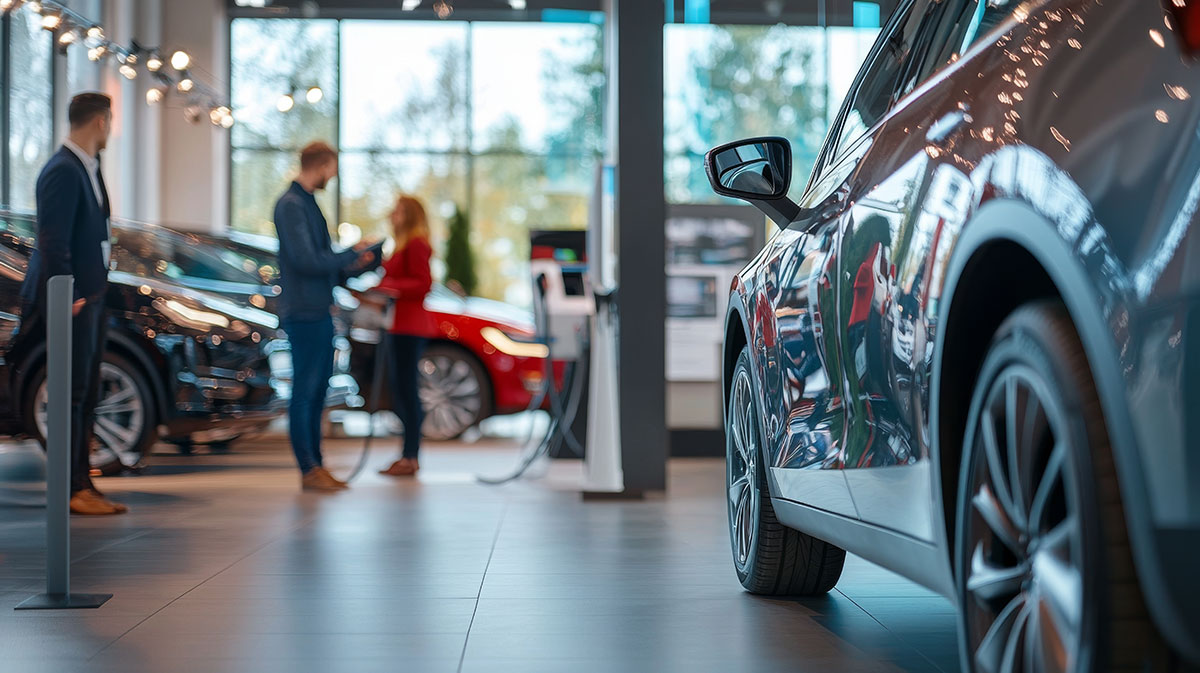
The automotive industry is at a turning point. Electric vehicles and hybrid models are no longer a niche segment. They are becoming a significant part of the market, and dealerships must adapt to this shift to remain competitive. Over my 35-plus years in automotive retail, from managing private dealerships to serving as Market President at AutoNation, I have witnessed numerous industry transformations. The rise of electric and hybrid vehicles is one of the most profound, and adapting to it requires knowledge, strategy, and a willingness to evolve.
Understanding the Shift
Consumer interest in electric and hybrid vehicles is growing rapidly. Buyers are motivated by environmental concerns, cost savings on fuel, and incentives offered by governments and manufacturers. Advances in battery technology have improved range, reduced charging times, and made these vehicles more practical for everyday use.
For dealerships, this shift means more than stocking different vehicles. It requires understanding the technology, educating customers, and rethinking traditional sales processes. Buyers today expect knowledgeable staff who can answer questions about charging infrastructure, battery life, and total cost of ownership. Dealers who can provide this guidance will be better positioned to earn trust and close sales.
Inventory and Model Planning
One of the first challenges in adapting to electric and hybrid vehicles is inventory planning. Automakers are introducing more models across various price points and vehicle types, from compact cars to SUVs and trucks. This variety creates opportunities but also requires careful management of inventory.
Electric and hybrid vehicles often have longer production timelines and limited availability for certain models. Dealers must stay in close communication with manufacturers and use data to anticipate demand. Understanding the local market and customer preferences is essential for ensuring that the right vehicles are available at the right time.
Educating Customers
Education is a critical component of selling electric and hybrid vehicles. Many buyers are still unfamiliar with the technology and may have concerns about range, charging, and maintenance. Dealerships that take the time to explain these features, provide demonstrations, and offer resources build confidence in potential buyers.
Training sales staff is equally important. Employees must understand the technology and be able to answer questions confidently. When customers feel informed and supported, they are more likely to make a purchase and become long-term advocates for the dealership.
Service and Maintenance Considerations
Electric and hybrid vehicles have unique service and maintenance needs. While they have fewer moving parts than traditional vehicles, they require specialized knowledge and equipment. Dealerships must invest in training technicians, updating service bays, and maintaining the tools necessary to service these vehicles safely and efficiently.
Providing reliable service for electric and hybrid vehicles is a competitive advantage. Customers want assurance that their vehicle will be supported throughout its lifecycle. Dealerships that excel in service not only generate revenue but also build loyalty and long-term relationships.
Leveraging Technology
Technology plays a crucial role in adapting to this new era. Data analytics can help predict demand, optimize inventory, and monitor service needs. Software solutions can track customer interest, provide insights into local market trends, and support targeted marketing efforts.
Dealerships that embrace technology can make smarter decisions, improve operational efficiency, and enhance the customer experience. In a market that is rapidly evolving, being proactive and informed is critical for maintaining a competitive edge.
Marketing and Customer Engagement
Marketing electric and hybrid vehicles requires a thoughtful approach. Buyers often need more education and reassurance than they do for traditional vehicles. Dealerships should highlight the benefits of these vehicles, such as lower operating costs, environmental impact, and advanced technology features.
Customer engagement should extend beyond the sale. Providing information about charging, driving tips, and software updates strengthens the relationship and encourages referrals. Dealerships that adopt a consultative approach position themselves as trusted advisors, which is increasingly important in a competitive market.
Preparing for the Long Term
The transition to electric and hybrid vehicles is not temporary. It represents the future of automotive retail. Dealerships that act now to understand the technology, train their teams, and adapt their operations will be better positioned for long-term success.
This transition requires investment, planning, and commitment. It is not just about selling new vehicles but also about building the infrastructure, knowledge, and culture needed to support a changing industry. Dealers who embrace these changes proactively will thrive while those who resist risk falling behind.
Conclusion
Electric and hybrid vehicles are transforming the automotive industry. From growing consumer interest and expanding model options to service requirements, technology, and marketing strategies, dealerships must adapt to remain competitive.
Throughout my career, I have learned that success in automotive retail comes from combining experience with strategic innovation. Embracing electric and hybrid vehicles requires understanding the technology, educating staff and customers, and leveraging data to make informed decisions.
Dealerships that prioritize these efforts will not only meet the needs of today’s buyers but also position themselves for growth in the future. The shift to electric and hybrid vehicles presents both challenges and opportunities, and dealerships that act with knowledge, preparation, and customer focus will lead the way in this next chapter of automotive retail.